
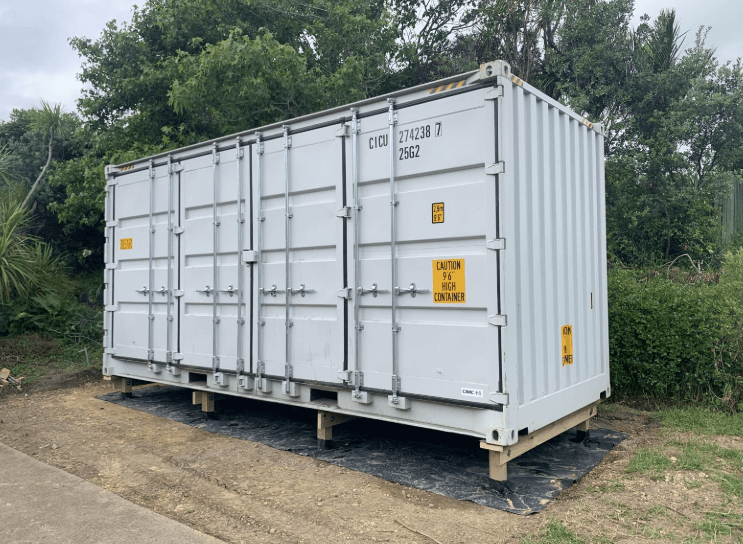
Introduction:
If you’ve been shopping for shipping containers, you’ve probably noticed a huge price difference between new and used ones. But what exactly makes them different, and which one is right for you? Let’s break it down so you can buy with confidence and get the best deal for your needs.
1. What “New” Really Means
A new shipping container, often called a “one trip container,” has only been used once for a single cargo shipment. It’s basically brand new, clean, and free from dents or rust. These are perfect if you want your container to look flawless or plan to modify it into a home, office, or store.
2. The Perks of a New Container
New containers last longer because they haven’t faced years of ocean travel or rough handling. They’re also great for projects where appearance matters, like retail setups or personal use. You get a fresh start with zero wear and tear.
3. What “Used” Containers Offer
Used containers have seen action. They’ve been at sea, stacked in ports, and transported around the world. But don’t let that scare you off. They’re still incredibly strong and reliable. Most used containers are graded as “cargo worthy” or “wind and watertight,” meaning they still perform just as well for storage or construction.
4. The Cost Advantage
This is where used containers shine. You can save a big chunk of cash by going with a used model. On average, a used container costs 30 to 50 percent less than a new one. If you’re on a budget or using it for basic storage, used is the smarter choice.
5. Which One Is Right for You?
It really depends on your purpose. If you’re starting a business, building something that needs to look clean and polished, or want long term use, go new. If you just need strong, secure storage or plan to modify it anyway, used is the way to go.
Conclusion:
Both new and used shipping containers have their own advantages. What matters most is how you plan to use them. At Boroncontainers, we offer both options, all inspected and guaranteed to meet your needs for quality, safety, and reliability.